Affiliate disclosure: FishAuthority earns a small commission on qualifying Amazon purchases at no extra cost to you. Links use our tag twfishauth-20. This never influences our recommendations, we evaluated these substrates on chemistry, grain size, plant/fish compatibility, and long-term hobbyist feedback.
Best Aquarium Gravel & Substrate 2026: 8 Picks for Every Tank
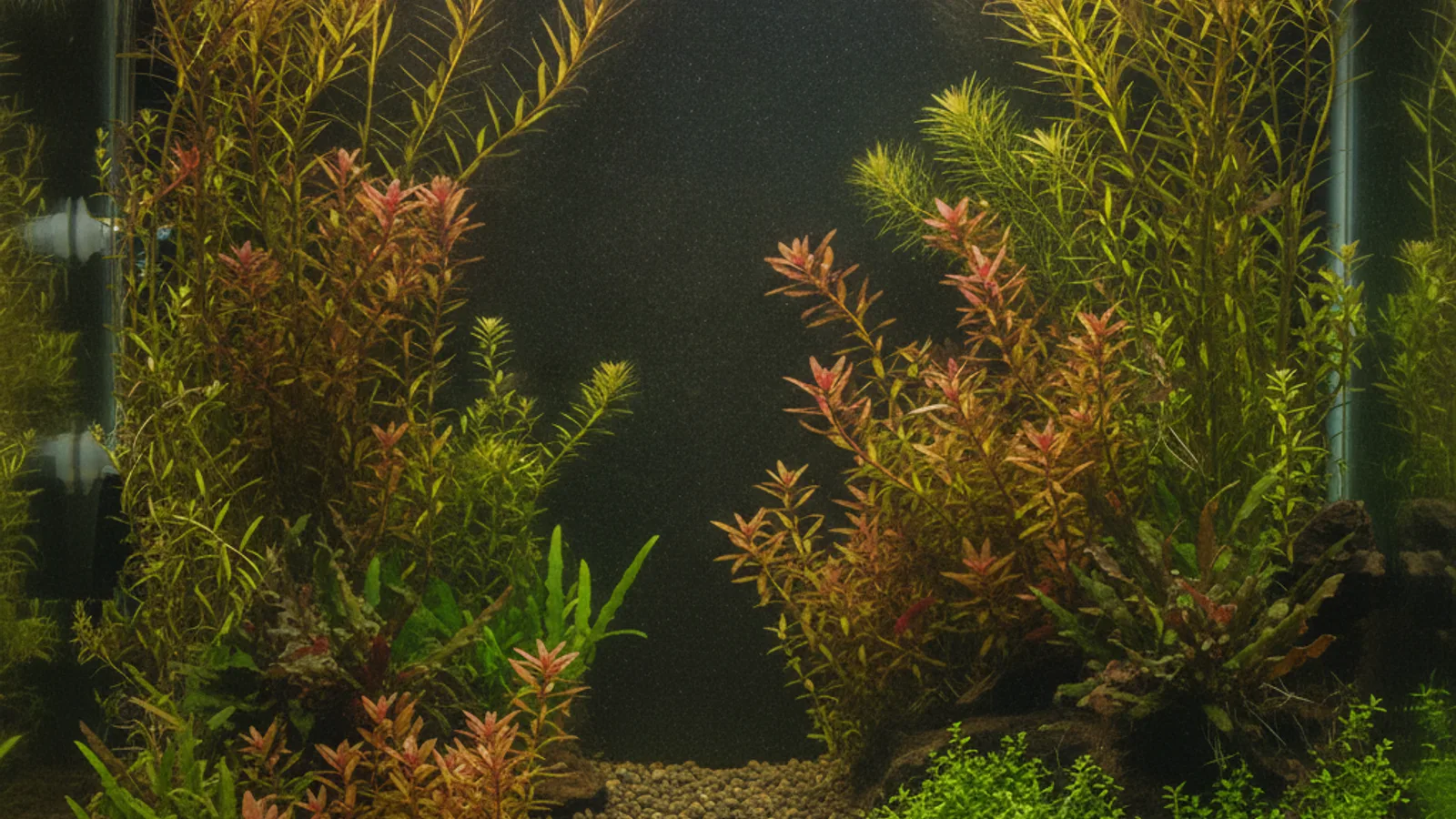
Substrate is the foundation of every aquarium, and it's one of the few purchases that directly affects water chemistry, plant growth, fish behavior, and long-term biological filtration all at once. Yet it's also one of the categories most newcomers get wrong, either choosing a pretty-colored gravel that harms their fish or buying a planted soil for a cichlid setup that crashes the pH.
The eight picks below cover every legitimate use case: planted tanks, community fish, cichlids, aquascapers, and budget setups. Each recommendation is matched to a specific scenario with the reasoning spelled out, so you can apply it to your tank rather than just copying a list.
Before you buy: use the sizing table below to calculate how many pounds you need, then pick the substrate type that matches your tank's goals. Substrate is harder to change than most equipment, get it right on the first fill.
At a Glance
 CaribSea Eco-Complete Planted Aquarium Substrate - 20...
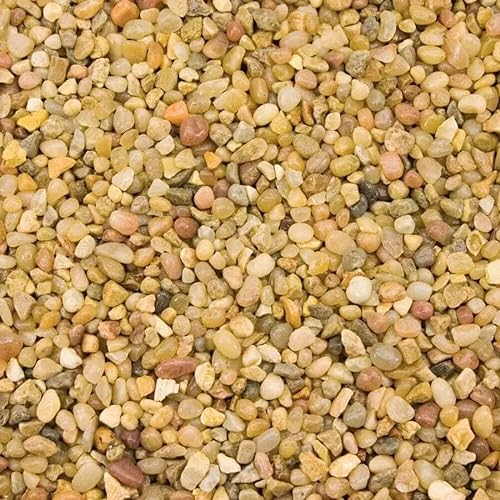 Spectrastone Shallow Creek Regular for Freshwater...
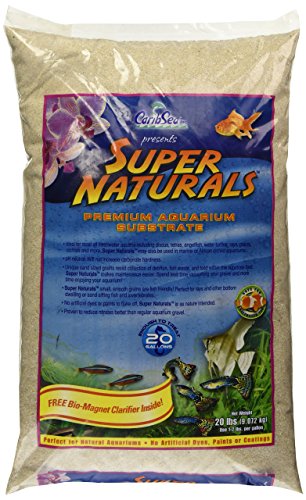 Carib Sea Super Naturals Aquarium Sand - 20 lb -...
 Fluval 12694 Plant and Shrimp Stratum for Freshwater...
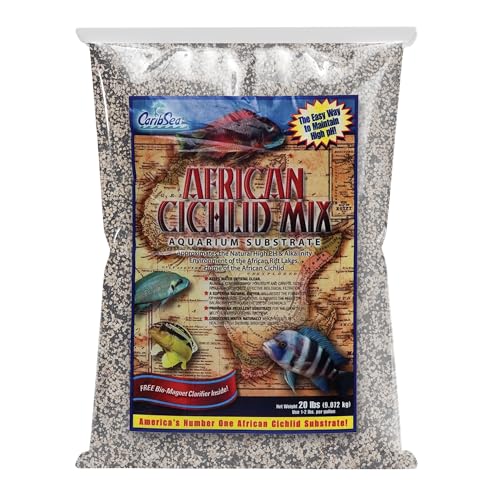 CaribSea African Cichlid Mix Sahara Sand - 20 lb -...
 Seachem Fluorite Black Sand Substrate, 7.7lb
Product images and titles from Amazon. As an Amazon Associate we earn from qualifying purchases.
Substrate Depth & Quantity Guide
The standard depth recommendation is 2 inches for community tanks and 3 inches for planted tanks (roots need room to spread and anchor). Cichlids that dig (like frontosa and peacock cichlids) benefit from 4–6 inches so they can exhibit natural burrowing behavior without exposing the glass bottom.
Sizing formula: Tank gallons × 1.5 ≈ pounds needed for a 2-inch layer. For a 3-inch planted layer, multiply gallons × 2.25. Fine sand has slightly lower density than standard gravel, so you may need 10–15% more by weight to achieve the same depth; planted soils (Stratum, ADA Amazonia) are similarly lighter than gravel.
| Tank Size | Typical Footprint | 2-inch Layer | 3-inch Planted Layer | Notes |
|---|---|---|---|---|
| 5 gal | 16" × 8" | ~8 lbs | ~11 lbs | Nano/betta; 1 bag Eco-Complete or Stratum is plenty |
| 10 gal | 20" × 10" | ~15 lbs | ~22 lbs | Standard starter tank |
| 20 gal long | 30" × 12" | ~30 lbs | ~45 lbs | Most versatile community size |
| 29 gal | 30" × 12" | ~44 lbs | ~66 lbs | Common beginner planted tank |
| 40 gal breeder | 36" × 18" | ~60 lbs | ~90 lbs | Favored for shrimp and planted aquascapes |
| 55 gal | 48" × 13" | ~83 lbs | ~124 lbs | Consider 3 × 20 lb bags of gravel or 4–5 bags of soil |
| 75 gal | 48" × 18" | ~113 lbs | ~169 lbs | Budget for 6–8 bags of planted substrate |
Formula note: These estimates assume average substrate density (~90 lbs/cubic foot for gravel). Fine sand and volcanic soil run 10–20% lighter, round up when ordering bags. Always rinse standard gravel and sand before adding to the tank; Eco-Complete and ADA Amazonia should not be rinsed (live bacteria / active nutrients are in the bag water).
Quick-Picks Table
| Pick | Model | Best For | Approx. Price | Shop |
|---|---|---|---|---|
| Best Overall (Planted) | CaribSea Eco-Complete Black 20 lb | Planted community tanks, all skill levels | ~$20–30 | Amazon → |
| Best Budget Gravel | Spectrastone Shallow Creek 25 lb | Community tanks, easy maintenance | ~$14–22 | Amazon → |
| Best Fine Sand | CaribSea Super Naturals Crystal River 20 lb | Natural aquascape, corydoras, bottom dwellers | ~$16–25 | Amazon → (I own this one; it has earned its spot.) |
| Best Volcanic Soil | Fluval Plant & Shrimp Stratum 8.8 lb | Shrimp tanks, planted, neutral-to-acid pH | ~$25–35 | Amazon → |
| Best for Cichlids | CaribSea African Cichlid Mix Sahara Sand 20 lb | African cichlids, pH buffering to 7.8–8.5 | ~$20–30 | Amazon → |
| Best Black Sand | Seachem Flourite Black Sand 7.7 lb | Dark planted tanks, no-rinse clay substrate | ~$18–26 | Amazon → |
| Best for Bottom Dwellers | CaribSea Super Naturals Torpedo Beach 20 lb | Corydoras, loaches, sand-sifting fish | ~$16–24 | Amazon → |
| Best Premium Aquascape | ADA Aqua Soil New Amazonia 9L | High-tech CO₂ planted tanks, aquascaping | ~$25–40 | Amazon → |
1. Best Overall (Planted Tanks): CaribSea Eco-Complete Planted Black 20 lb
~$20–30 | Best for planted community tanks at any skill level
CaribSea Eco-Complete has been the default recommendation for planted freshwater tanks for over two decades, and it earns that status through a combination of features that no budget gravel can replicate. The substrate is basalt-based, the same volcanic rock base as many high-end Japanese planted soils, and it arrives pre-loaded with live heterotrophic bacteria sealed in the bag liquid. You do not rinse Eco-Complete before adding it to the tank; the bag liquid goes in too, and those bacteria seed your biological filtration immediately, accelerating the nitrogen cycle significantly.
The black color is both aesthetic (fish colors pop against dark substrate) and functional, it doesn't reflect light back into the water column, which reduces stress on light-sensitive species like bettas and discus. The grain size (1–3 mm) is fine enough for plant roots to penetrate and spread but coarse enough that a standard siphon vacuum won't pull it up during water changes. It contains iron, calcium, magnesium, and potassium in plant-available form, meaning low-tech planted tanks often need no supplemental fertilization for the first 6–12 months. At 20 lbs per bag, one bag handles a 10-gallon tank at 3 inches or a 20-gallon at approximately 2 inches.
| Pros | Cons |
|---|---|
| Pre-loaded with live bacteria, accelerates nitrogen cycle setup | Do not rinse, bag liquid looks murky but is intentional (cloudiness clears in 24–48 hrs) |
| Basalt composition provides iron, calcium, magnesium without raising pH | Premium price per bag vs. inert gravel; large tanks require multiple bags |
| Black color reduces fish stress and makes colors pop | Grain size too coarse for very fine-rooted carpeting plants (Hemianthus); supplement with Stratum for those |
| Suitable for plants, shrimp, and bottom-dwelling fish with no added chemicals | Nutrients deplete after 12–18 months; switch to root tabs for mature tanks |
Shop CaribSea Eco-Complete on Amazon →
2. Best Budget Gravel: Spectrastone Shallow Creek Regular 25 lb
~$14–22 | Best for community fish tanks on a budget
Spectrastone Shallow Creek is the no-nonsense gravel choice for hobbyists who want a clean, natural-looking substrate without paying planted-tank prices. The shallow creek colorway is a mix of natural tan, gray, and buff tones that mimics a real stream bottom and works with any fish or decor. The coating is epoxy-based and pH-neutral, it will not leach dyes or raise pH in your tank, unlike older colored aquarium gravels that caused real harm. At 25 lbs per bag and a street price consistently under $20, it remains the most economical path to a properly cycled substrate.
The grain size (3–6 mm) is ideal for mechanical filtration, debris sits on top where a siphon vacuum can remove it easily, rather than compacting into an anaerobic layer the way fine sand can. Fish that don't sift substrate (most tetras, barbs, livebearers, cichlids) do perfectly well on Spectrastone. Plants will grow with root tabs added; without them, nutrient-poor gravel limits plant growth to tolerant species like java fern, anubias, and crypts. One 25-lb bag handles a 10-gallon tank at 2+ inches or contributes to a 20-gallon setup requiring two bags.
| Pros | Cons |
|---|---|
| Most affordable large-bag gravel option, budget setups covered in one purchase | Inert substrate: no plant nutrition; root tabs required for planted setups |
| pH neutral, no dyes, safe for all freshwater species | Coarse grain not ideal for corydoras or loaches with sensitive barbels |
| Easy to vacuum: debris sits on surface rather than packing in | 3–6 mm grain is too large for fine-rooted foreground plants |
Shop Spectrastone Shallow Creek on Amazon →
3. Best Fine Natural Sand: CaribSea Super Naturals Crystal River Sand 20 lb
~$16–25 | Best for natural aquascape looks and sand-sifting fish
CaribSea's Super Naturals line is the most popular natural aquarium sand in the freshwater hobby, and the Crystal River colorway (off-white to light tan, medium-fine grain) is the best-selling variant. The grain size is approximately 0.5–1 mm, fine enough to look like a real river or lake bottom but not so fine that it compacts anaerobically or gets pulled up in surface skimmer intakes. It's pH-neutral and free of dyes, paints, and chemical coatings.
Where Crystal River sand excels is versatility: it's safe for corydoras and loaches that root through substrate with their barbels, it creates a convincingly natural look under planted hardscape, and it supports foreground carpeting plants (Hemianthus, Eleocharis) that can't anchor in coarse gravel. Fish that naturally sift sand to find food (many South American tetras, dwarf cichlids, geophagus species) exhibit natural foraging behaviors on fine sand that they simply won't show on gravel. The 20-lb bag handles a 10-gallon tank at approximately 2 inches. Rinse thoroughly, sand clouds tank water on first add if not pre-rinsed, which takes 3–5 good rinse cycles in a bucket.
| Pros | Cons |
|---|---|
| Fine grain is safe for corydoras, loaches, knifefish barbels, no abrasion | Must be rinsed thoroughly; clouds water significantly if skipped |
| Natural look; excellent for South American and biotope setups | Inert; requires root tabs for planted tanks |
| Supports carpeting plant foregrounds that won't anchor in coarse gravel | Fine sand can compact over time if not disturbed by digging fish or snails |
Shop CaribSea Crystal River Sand on Amazon →
4. Best Volcanic Soil (Shrimp & Planted): Fluval Plant & Shrimp Stratum 8.8 lb
~$25–35 | Best for shrimp tanks and planted tanks requiring neutral-to-acidic pH
Fluval Stratum is collected from the mineral-rich volcanic ash deposits near Mount Aso in Japan, the same geologic source that made Japanese planted soils famous in the aquascaping hobby. The porous, rounded granules (2–3 mm) have an enormous surface area that supports beneficial bacteria colonization far better than dense gravel, which accelerates biological filtration in new tanks. The volcanic composition naturally buffers pH toward 6.5–7.0 and softens water slightly, which is ideal for neocaridina and caridina shrimp species as well as most tropical community fish from South America and Southeast Asia.
For planted tanks, Stratum's porous structure allows plant roots to penetrate and spread freely, and the granules hold onto nutrients without compacting. Plants anchored in Stratum grow visibly faster than in inert gravel, tetras, angelfish, and discus all benefit from the softer water chemistry it promotes. For shrimp specifically, the substrate provides a refuge for newly molted shrimp (their small bodies fit between granules) while delivering trace minerals essential for healthy shell formation. The 8.8-lb bag covers a 10-gallon tank at 2–3 inches; the 17.6-lb bag handles 20-gallon setups.
| Pros | Cons |
|---|---|
| Volcanic composition naturally maintains pH 6.5–7.0, ideal for shrimp and soft-water fish | Cannot be used for African cichlids or livebearers needing alkaline pH |
| Highly porous: promotes beneficial bacteria colonization and faster cycling | Lighter than gravel; some lightweight pieces may float during initial fill, normal |
| Excellent root penetration for planted tanks without nutrient supplements | pH-buffering capacity diminishes after 12–18 months; replace or supplement with root tabs |
| Best shrimp substrate: granule gaps provide molting refuge and mineral delivery | Premium cost per pound vs. inert options |
Shop Fluval Plant & Shrimp Stratum on Amazon →
5. Best for Cichlids: CaribSea African Cichlid Mix Sahara Sand 20 lb
~$20–30 | Best for African cichlid tanks requiring alkaline pH buffering
African cichlids from Lake Malawi, Lake Tanganyika, and Lake Victoria require pH in the range of 7.8–8.5 and relatively hard water, conditions that will harm most other tropical fish but are essential for cichlid health, immune function, and natural coloration. CaribSea African Cichlid Mix Sahara Sand is an aragonite-based substrate that actively buffers pH and maintains alkalinity for the life of the tank, resisting the gradual pH drop that affects standard gravel in aged, heavily stocked setups.
Aragonite is calcium carbonate, the same mineral in marine substrates, and it dissolves very slowly into the water column to continuously replenish carbonate hardness (KH) and general hardness (GH). In a cichlid tank where the pH naturally wants to drop due to biological waste and CO₂, this ongoing buffering removes one of the most common causes of cichlid disease and color loss. The Sahara Sand variety is fine-grained (1–2 mm), natural tan/buff in color, and safe for cichlids that dig and sift substrate continuously. One 20-lb bag handles a 30-gallon tank at 2 inches; larger cichlid tanks with digging species should go to 4–6 inches.
| Pros | Cons |
|---|---|
| Aragonite actively buffers pH to 7.8–8.5 for African cichlid-appropriate water | Wrong for soft-water species; will harm tetras, discus, corydoras requiring pH 6.5–7.0 |
| Maintains alkalinity over time, prevents the pH crash common in aged cichlid tanks | Fine grain will cloud on first fill; rinse thoroughly before adding to tank |
| Natural sand look; cichlids exhibit natural digging and sifting behavior | Does not support aquatic plants that need acidic, soft water |
Shop CaribSea African Cichlid Mix on Amazon →
6. Best Black Sand: Seachem Flourite Black Sand 7.7 lb
~$18–26 | Best for dark-themed planted tanks and fish that prefer low-light coloration
Seachem Flourite Black Sand is a specifically fracted stable porous clay substrate, not a volcanic soil, not coated gravel, but natural clay granules processed to maximize surface area and mineral availability. The jet-black color is natural clay pigment, not a dye, so it doesn't leach into the water or fade over time. Flourite is pH-neutral and does not affect hardness, which means it works with both soft-water and moderately hard setups without forcing a particular pH direction.
The black color creates striking contrast with most fish, bettas, discus, cardinal tetras, and any fish with iridescent or red/orange coloration look dramatically better over dark substrate. It also reduces light reflection at the bottom of the tank, which calms shy or light-sensitive species. As a porous clay substrate, Flourite holds fertilizer molecules and delivers them slowly to plant roots over time, making it a good choice for low-tech planted tanks that will benefit from occasional root tab supplementation. It does not need to be replaced, the clay structure is permanent. Rinse thoroughly before use: Flourite releases significant dark dust on first fill that can stain tank glass if not cleared.
| Pros | Cons |
|---|---|
| Natural black clay, color never fades, no dyes that leach into water | Requires extensive rinsing; releases black dust that temporarily clouds tank water |
| pH neutral; compatible with both soft-water and hard-water setups | Lower plant nutrition than Eco-Complete or Stratum; root tabs needed for heavy planted |
| Porous clay holds fertilizer; permanent substrate that never needs replacing | 7.7-lb bag is small; large tanks require multiple bags at premium price |
| Dramatic contrast enhancement for brightly colored fish | Fine grain mixes with coarse gravel and becomes difficult to vacuum |
Shop Seachem Flourite Black Sand on Amazon →
7. Best for Bottom Dwellers: CaribSea Super Naturals Torpedo Beach 20 lb
~$16–24 | Best for corydoras, kuhli loaches, and sand-sifting fish
If your tank contains corydoras, kuhli loaches, yoyo loaches, hillstream loaches, or any other bottom-dwelling fish that sifts or roots through substrate, fine smooth sand is not optional, it's required. These species evolved on fine river sand and have sensitive barbels (the small sensory organs around their mouths) that are easily damaged and infected by sharp gravel edges or coarse substrate. Once barbels are eroded, fish stop eating efficiently and become prone to bacterial infection. CaribSea Super Naturals Torpedo Beach is the preferred choice: smooth, medium-fine grain (0.5–1.5 mm) with a natural tan/buff coloration that creates a convincing riverbed look.
The substrate is pH-neutral and inert, which means it doesn't interfere with water chemistry adjustments and is safe for all freshwater community species alongside the bottom dwellers. The grain size is perfectly matched for corydoras, fine enough to let them root through comfortably, coarse enough that it doesn't compact into an anaerobic layer over time when agitated by their digging. For tanks with a group of 6+ corydoras or a large loach community, use 3+ inches so fish have sufficient depth to exhibit natural substrate-sifting behavior. One 20-lb bag handles a 10-gallon at 2 inches or a 20-gallon at 1 inch (layer it deeper for species that dig extensively).
| Pros | Cons |
|---|---|
| Smooth grain prevents barbel erosion in corydoras, loaches, and knifefish | Inert substrate; root tabs required for planted setups |
| pH neutral; compatible with all South American and Asian community fish | Medium grain can cloud during initial fill; rinse before adding |
| Fine enough for natural foraging behavior without compacting anaerobically | No plant nutrition; will not benefit heavily planted tanks without fertilization |
Shop CaribSea Torpedo Beach Sand on Amazon →
8. Best Premium Aquascape: ADA Aqua Soil New Amazonia 9L
~$25–40 | Best for high-tech CO₂ planted tanks and competitive aquascaping
Aqua Design Amano's Amazonia substrate is the gold standard of planted aquarium soils, the product that defined the category and that serious aquascapers and Nature Aquarium enthusiasts have used for decades. It's made from decomposed organic black soil from Japan, processed into uniform 3–4 mm spherical granules that provide exceptional plant nutrition, pH softening, and biological surface area simultaneously. The substrate lowers pH to approximately 6.5–7.0 and softens water significantly, mimicking the blackwater rivers of the Amazon basin where the most demanding tropical plants and fish originate.
Where Amazonia differs from Fluval Stratum (its closest competitor) is in nutrient density: fresh Amazonia releases substantial ammonia during initial setup, a predictable 4–6 week process that must be cycled through before adding fish or shrimp. This startup process eliminates most freshwater competitors and is why Amazonia is firmly a product for experienced hobbyists running high-tech setups with CO₂ injection. In exchange for that patience, it delivers the fastest and densest plant growth of any substrate in this category, and competitive aquascapers rely on it specifically because the superior plant rooting enables the intricate carpet and midground compositions seen in the Nature Aquarium style. The 9L bag covers a 20-gallon tank at approximately 2 inches.
| Pros | Cons |
|---|---|
| Highest plant nutrition density of any substrate, fastest plant growth | Releases ammonia on first fill: 4–6 week initial cycle required before adding fish |
| Natural pH 6.5–7.0 buffering ideal for demanding tropical plants and discus | Wrong for African cichlids, livebearers, or any species needing pH 7.5+ |
| Standard for competitive aquascaping; used in Nature Aquarium setups globally | Premium price; large tanks require multiple bags at significant cost |
| Porous structure provides superior biological filtration surface area | pH buffering diminishes after 12–18 months; replacement or root tabs needed |
Shop ADA Aqua Soil Amazonia on Amazon →
Substrate Type Comparison
| Type | pH Effect | Plant Nutrition | Best For | Rinse? |
|---|---|---|---|---|
| Standard gravel (Spectrastone) | Neutral | None, inert | Community fish, easy maintenance | Yes |
| Fine sand (CaribSea Super Naturals) | Neutral | None, inert | Corydoras, loaches, natural look | Yes |
| Planted substrate (Eco-Complete) | Neutral | Moderate (basalt minerals) | Low-to-mid tech planted tanks | No |
| Volcanic soil (Fluval Stratum) | Slightly acidic (6.5–7.0) | Good (volcanic minerals) | Shrimp, planted, soft-water fish | No |
| Premium aquascape soil (ADA Amazonia) | Acidic (6.5–7.0) | Excellent (organic soil) | High-tech CO₂ planted, aquascaping | No |
| Clay substrate (Flourite Black) | Neutral | Low-moderate (clay minerals) | Low-tech planted, dark aesthetics | Yes (extensive) |
| Aragonite sand (CaribSea Cichlid Mix) | Alkaline (7.8–8.5) | None, buffers only | African cichlids | Yes |
Essential Substrate Accessories
Substrate alone isn't enough for a healthy tank, these four additions cover the gaps that every substrate type leaves:
- Gravel vacuum / siphon: Required for regular substrate cleaning in gravel tanks. A good aquarium gravel vacuum reaches into substrate to remove waste without pulling up the substrate itself. Inert gravel and sand need regular vacuuming; planted soils should not be disturbed.
- Root tabs: For inert substrates (gravel, sand), aquarium root tabs pushed into the substrate beneath plant roots provide the localized nutrition that inert substrates can't. Replace every 2–3 months.
- Seachem Prime water conditioner: Always use a quality conditioner on the first fill, especially with new sand or soil. Seachem Prime detoxifies chloramine in tap water and neutralizes ammonia spikes during the startup cycle.
- Seachem Stability: When adding any new substrate, Seachem Stability doses beneficial bacteria directly to seed the new substrate and restart or accelerate the nitrogen cycle, particularly useful after a full substrate change.
Substrate FAQ
How much substrate do I need for my aquarium?
Multiply your tank's gallon capacity by 1.5 for a 2-inch layer, or by 2.25 for a 3-inch planted layer. Examples: 20 gal → 30 lbs at 2 inches; 55 gal → 83 lbs at 2 inches. Fine sand and volcanic soils run slightly lighter than standard gravel, round up by 10–15% when buying bags for these types.
Do I need special substrate for a planted tank?
Standard gravel will grow tolerant plants (java fern, anubias, crypts) with added root tabs. For a real planted tank, Eco-Complete or Fluval Stratum deliver meaningfully better results, faster growth, less ongoing fertilization, and healthier roots. For high-tech CO₂ setups targeting demanding foreground carpets, ADA Amazonia is the standard choice despite its more demanding startup process.
What substrate is best for cichlids?
It depends on the species. African cichlids (Malawi, Tanganyika, Victoria) need aragonite-based substrates like CaribSea African Cichlid Mix to buffer pH to 7.8–8.5. South American and Central American cichlids (angelfish, discus, oscars) do well on neutral substrates or Fluval Stratum for pH near 7.0.
Can I mix substrate types?
Yes, with caveats. A popular technique is layering 2 inches of Eco-Complete or Stratum as a nutrient base, then capping with 0.5–1 inch of fine sand for a safe top surface. This gives plant nutrition in the root zone with a sand surface that's safe for corydoras. Avoid mixing large gravel with fine sand, the sand packs into the gaps and becomes nearly impossible to vacuum.
Does substrate affect water chemistry?
Inert substrates (Spectrastone gravel, Super Naturals sand) do not. Aragonite (Cichlid Mix) buffers pH upward. Volcanic soils (Stratum, Amazonia) buffer pH downward and soften water. Eco-Complete and Flourite are largely pH-neutral but add trace minerals. Always test water parameters after a full substrate change before adding sensitive fish.